

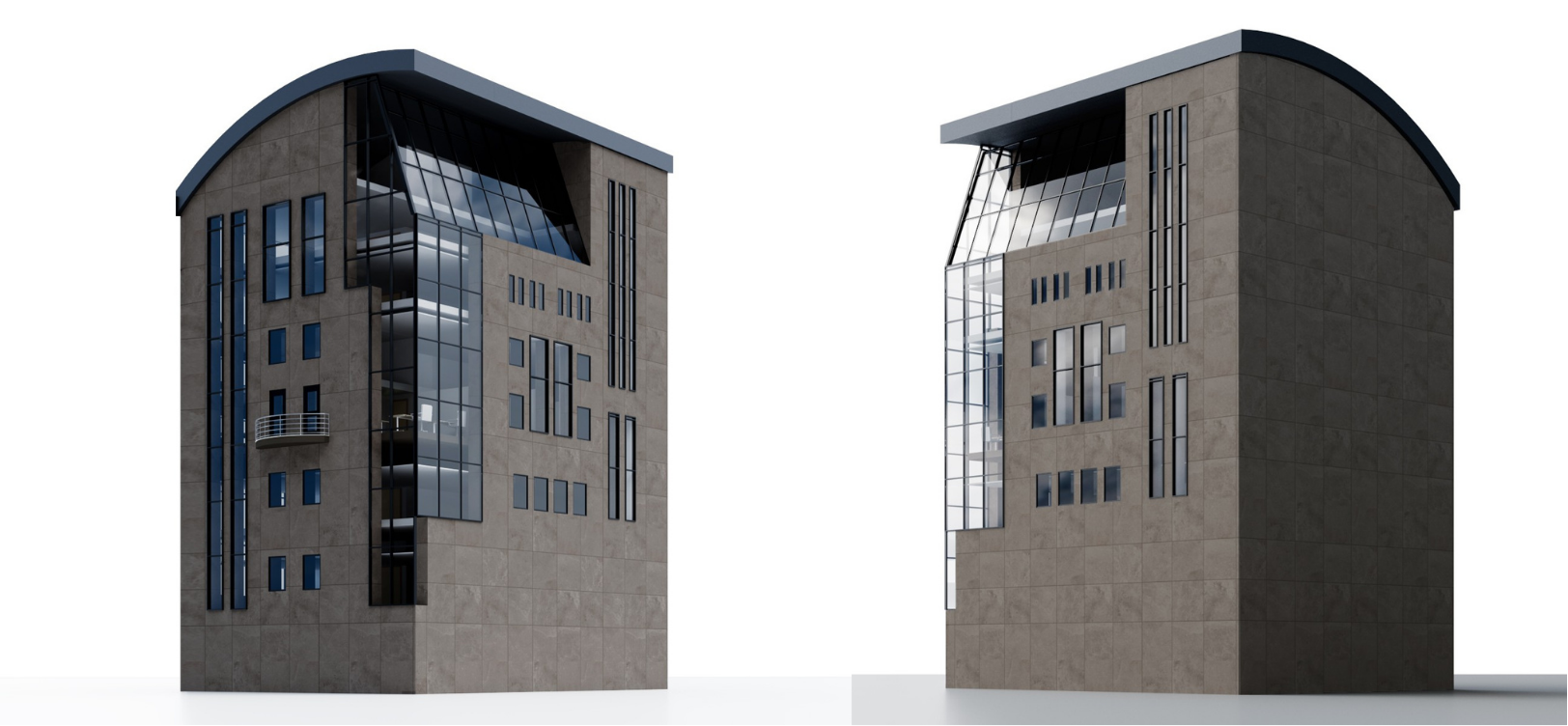
The Riga City Hall is the main administrative building of the Riga City Municipality and is located in the heart of Riga’s Historic Centre, a UNESCO World Heritage Site. The Historic Town Hall originally was built in 1848-1850 by the famous Riga City Architect Johann Daniel Felsko, however, it was destroyed by bombing during World War II. The current building is a replica of the original building, constructed in 2004, following the medieval pattern.
As part of the SMARTeeSTORY project, Riga Technical University created a detailed digital version of Riga City Hall, known as a BIM (Building Information Model). It focused on one part of the building called Building A. This digital model was based on real-life measurements taken on site, laser scanning, and historical records. The work followed a special planning guide provided by the project partner CARTIF.
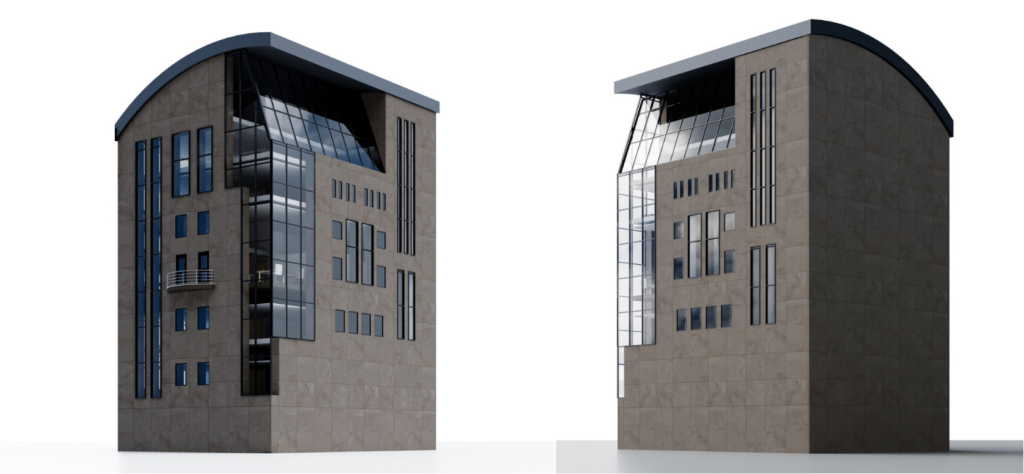
The complexity of the process lay in accurately modelling the building’s geometry and in the fact that Building A was constructed over an existing structure, which was reused as a structural core. This made it difficult to determine the precise thickness and composition of the original walls, requiring careful interpretation and informed assumptions during the modelling process, particularly as the project’s main focus was to achieve accurate area and volume calculations for the monitoring and analysis of indoor climate conditions.
Building A consists of eight floors, of which the 4th to 8th floors contains occupied spaces and are therefore defined as the intervention zones of the project. These areas are the primary focus for improving and monitoring indoor climate conditions, as they directly affect human comfort and wellbeing.
The digital model includes two versions of the building: one showing its current condition and another showing how it will look after intervention. This makes it possible to clearly see the impact of the project’s actions.
Riga aims to become a climate-neutral city by 2030. The BIM model will serve as a baseline for the future modernization of the entire building, supporting its transformation towards climate neutrality and providing a practical example of how historic public buildings can contribute to achieving Riga’s 2030 sustainability objectives.
About the Riga City Hall today
Nowadays the building has a number of representative functions, from hosting the offices of Riga Mayor and other elected councillors to assembly premises and conference rooms. In 2022, since the beginning of the war in Ukraine, part of the building has been handed over to Ukrainian community to be used as a gathering space and support centre for war refugees.