
Bringing historic buildings into the digital age is not about replacing their character or radically altering their structure. It is about enabling these buildings to operate more intelligently—using data, automation and digital control to improve energy performance and comfort while respecting heritage constraints. In SMARTeeSTORY, this digital transition begins with a critical step: making sure that newly installed systems can function together as a coherent, reliable whole.
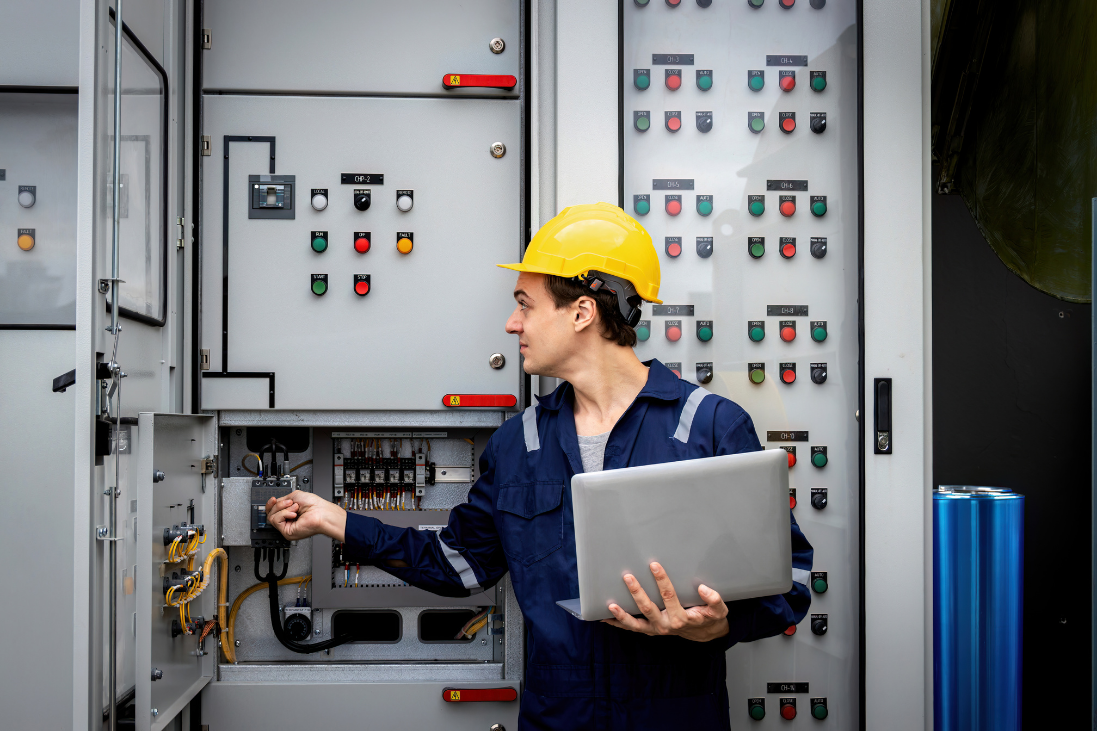
That step is known as commissioning: marking the moment when historic buildings move from having digital equipment installed to being truly digitally operational. Commissioning ensures that sensors, controllers, automation software and communication networks are correctly configured, connected and responsive. In practical terms, it confirms that the building is ready to generate trustworthy data, execute control strategies and support the next phase of smart energy management.
In simple terms, it’s best described as “making sure everything talks to each other properly.” For experts, it’s the detailed validation of communication protocols, power availability, automation logic, device behaviour, remote access, and alignment with the SMARTeeSTORY Building Energy Management System (BEMS) architecture.
During the site visit, partners verified that data flows were stable and devices responded as designed. This way they made sure that each building was technically ready for the next stage: optimisation.
Across the three demonstrators, commissioning means bringing different systems into alignment. While each building has its own combination of technologies, the work broadly centred on three areas:
- Environmental responsiveness: from weather‑linked controls to shading or lighting adjustments where applicable.
- Thermal comfort: ensuring HVAC systems respond predictably to real occupancy and usage patterns.
- Digital integration: validating data flows, communication protocols and the automation server that coordinates monitoring and control.
Riga City Hall: Reinforcing the building’s intelligence layer
Riga’s focuses on turning a historic government building into a smarter, more responsive system. During commissioning, partners made sure that the building’s “intelligence layer” operated cleanly and consistently. This means checking the building systems connection to controllers, sensors, automation server and monitoring equipment. They also integrated new elements such as solar panels, EV chargers and a weather station. All of these components feed data into upcoming optimisation strategies.
Granada’s Royal Chancellery: Stability in a heritage landmark
Granada presents a different kind of complexity: a mix of historical architecture and modern mechanical equipment. Commissioning here was about ensuring that the systems enabling comfort — HVAC equipment, fan coils and lighting — responded precisely to control logic.
TU Delft Faculty of Architecture: A complex testbed for user‑centric control
The Delft demonstrator sits within a heritage‑protected university building that is driven by a mission. TU Delft aims to reach CO₂‑neutral and circular operations by 2030. The office spaces that make up the demonstrator in Delft are used by a variety of people for different purposes during the week. This variable occupancy and diverse uses of space makes Delft ideal as a testing ground: showing how digital systems adapt to people rather than the other way around.
Looking Ahead: From Verified Systems to Smarter Buildings
With commissioning in all three sites complete, the demonstrator buildings are now connected and ready for the next steps. The project will begin data collection, test advanced control strategies and evaluate performance under real day-to-day use. As the system learns from these conditions, the team will refine comfort models and, where necessary, install additional sensors or actuators.
Historic buildings are often seen as difficult to modernise. So what’s most exciting is SMARTeeSTORY's broader implication: historic buildings can become future‑ready. With careful digital integration, they can support smarter energy use, higher comfort levels and better management without losing the cultural value that makes them irreplaceable.